
STEM learning resources in Kenya are helping parents, teachers and schools exploring hands-on STEM learning in Kenya.
STEM education is about more than learning scientific facts or solving mathematical equations. It is about helping children understand the world around them, develop practical skills, think critically and apply knowledge to real-life challenges.
In Kenya, the emphasis on competency-based learning has created greater interest in practical, experiential and learner-centred approaches to education. STEM provides an opportunity for children to explore concepts through observation, experimentation, construction and problem-solving.
But what exactly can children learn through STEM, and what tools can help bring these concepts to life?
What Does the STEM Curriculum Cover?
STEM brings together four interconnected learning areas: Science, Technology, Engineering and Mathematics. Each develops different skills, but they work best when children are given opportunities to combine them.
1. Science
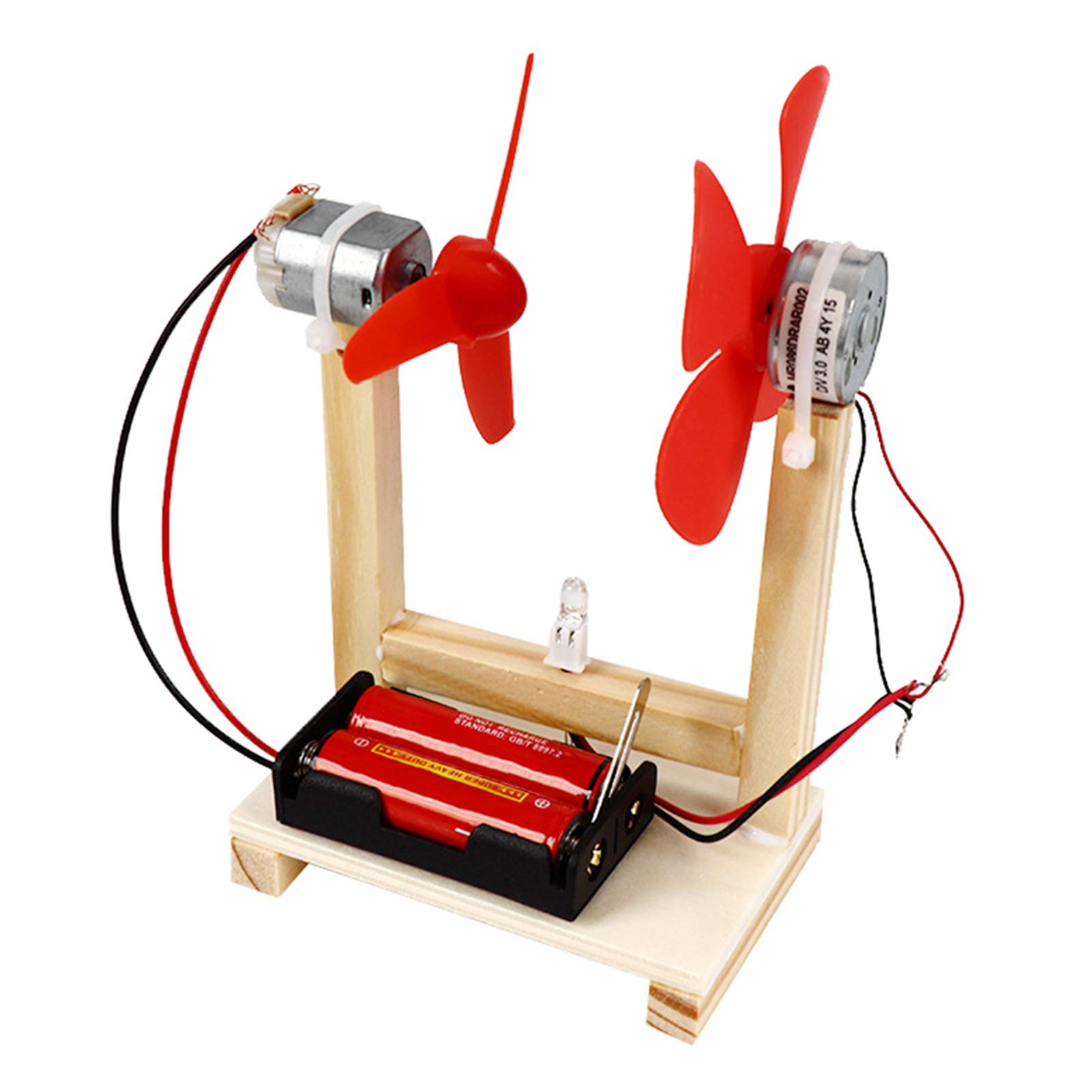
Explore how the world works through observation, investigation and experimentation.
-
-
Technology
-
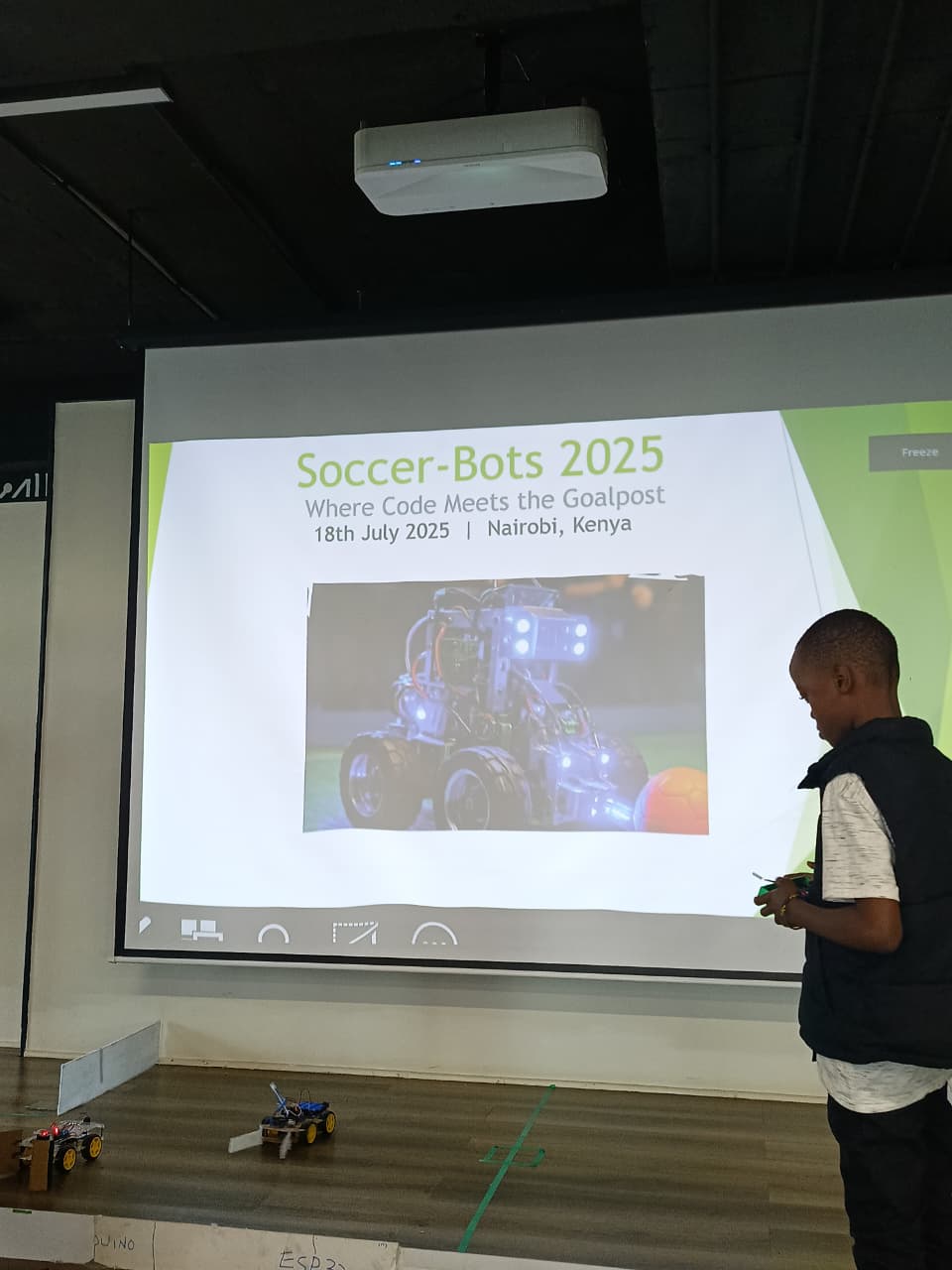
Discover electronics, coding, programmable systems and how technology solves problems.
-
-
Engineering
-
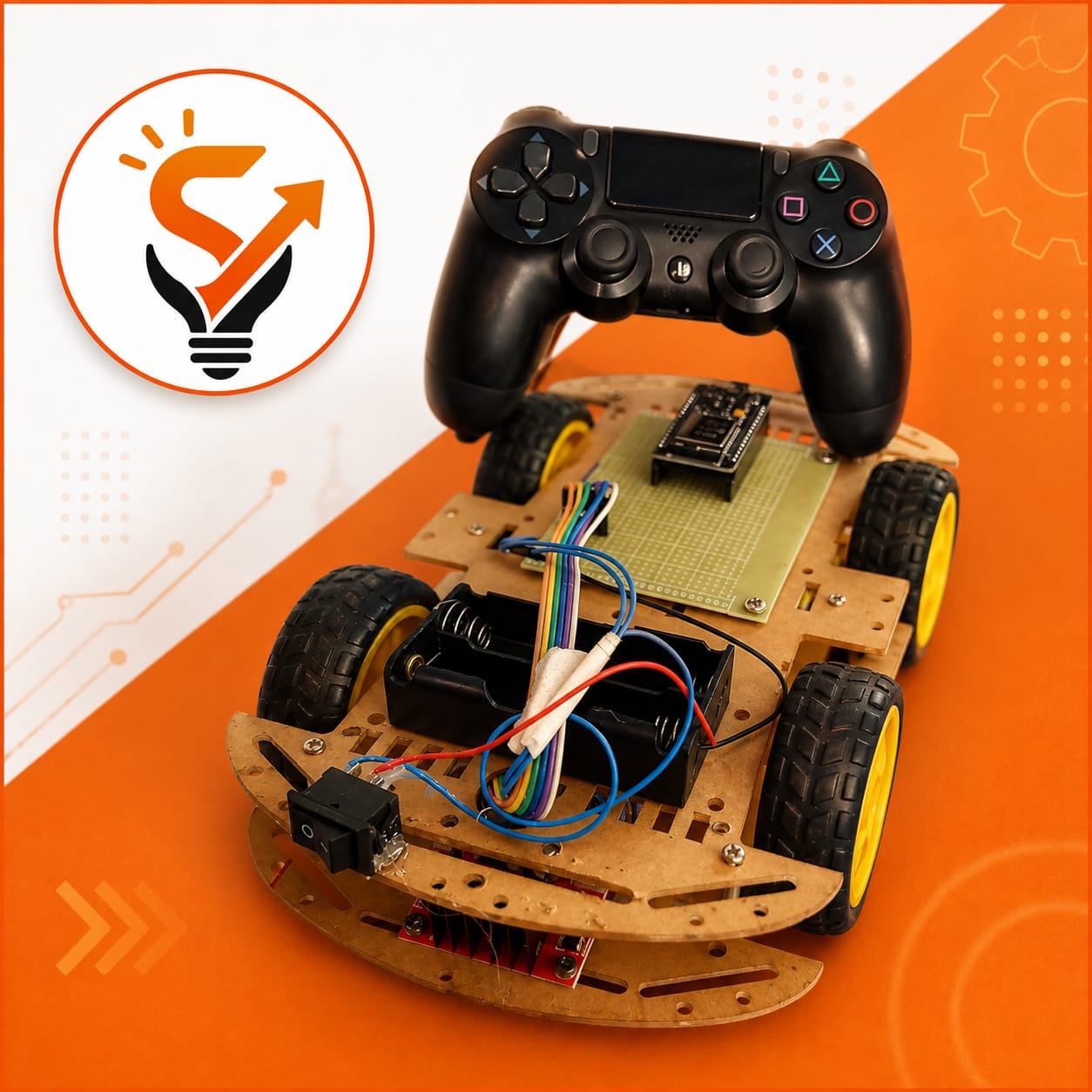
Design, build, test and improve structures, machines and solutions.
-
-
Mathematics
-
Apply measurement, geometry, calculations, patterns and logical reasoning to practical activities.
-

Science: Exploring the World Through Experiments
Science encourages children to ask questions, make observations, test ideas and understand why things happen.
Through practical science activities, learners can explore concepts that are otherwise difficult to visualise through textbooks alone.
Some of the areas children can explore include:
-
-
-
-
-
- Electricity and electrical circuits.
-
-
-
-
-
-
-
-
-
- Magnetism and magnetic forces.
-
-
-
-
-
-
-
-
-
- Light, reflection and refraction.
-
-
-
-
-
-
-
-
-
- Renewable energy.
-
-
-
-
-
-
-
-
-
- Forces and motion.
- Scientific observation and experimentation.
-
-
-
-
Physics learning tools available at Kits Kenya:
- Basic Electricity Kit
Explore circuit connections, electrical components, conductivity and the fundamentals of electricity.
- 2. Magnet Kit
Investigate magnetic attraction, repulsion and the behaviour of different materials.
- 3. Geometric Optics Kit
Explore lenses, mirrors, light rays, reflection and refraction.
- 4. Wind Turbine Kit
Investigate wind energy, energy conversion and how wind can be used to generate electricity.
- 5.Wind Turbine Car
Explore energy, motion, forces and the practical application of wind power.
-
-
Technology: Introducing Children to Coding and Electronics
Technology education helps children understand how devices, systems and digital tools work.
-
Rather than only using technology, children can begin exploring how it is created, programmed and controlled.
Technology-related STEM learning may introduce learners to:
-
-
-
-
-
-
- Introduction to programming and coding.
-
-
-
-
-
-
-
-
-
-
-
- Electronic components and circuits.
-
-
-
-
-
-
-
-
-
-
-
- Sensors and input-output systems.
-
-
-
-
-
-
-
-
-
-
-
- Programmable boards.
-
-
-
-
-
-
-
-
-
-
-
- Digital problem-solving.
-
-
-
-
-
-
-
-
-
-
-
- Automation and control.
-
-
-
-
-
Technology STEM learning tools available at Kits Kenya:
- Arduino Starter Kit
Introduce learners to programmable electronics, circuits, basic coding and interactive projects.
- ESP32 Boards
Explore microcontrollers, electronics, programming and possibilities for connected projects.
- App-Controlled Programming Robotics Kit
Explore programmable movement, instructions, control and introductory programming concepts through building and app interaction.
-
-
Engineering: Building, Designing and Solving Problems Engineering encourages children to transform ideas into physical solutions.
-
It involves identifying a challenge, designing a solution, assembling components, testing performance and making improvements.
Through engineering-based STEM activities, children can explore:
-
- Structures and stability.
-
- Mechanical systems.
-
- Gears and movement.
-
- Design and construction.
-
- Robotics.
-
- Prototyping.
-
- Engineering problem-solving.
Engineering STEM learning tools available at Kits Kenya:
-
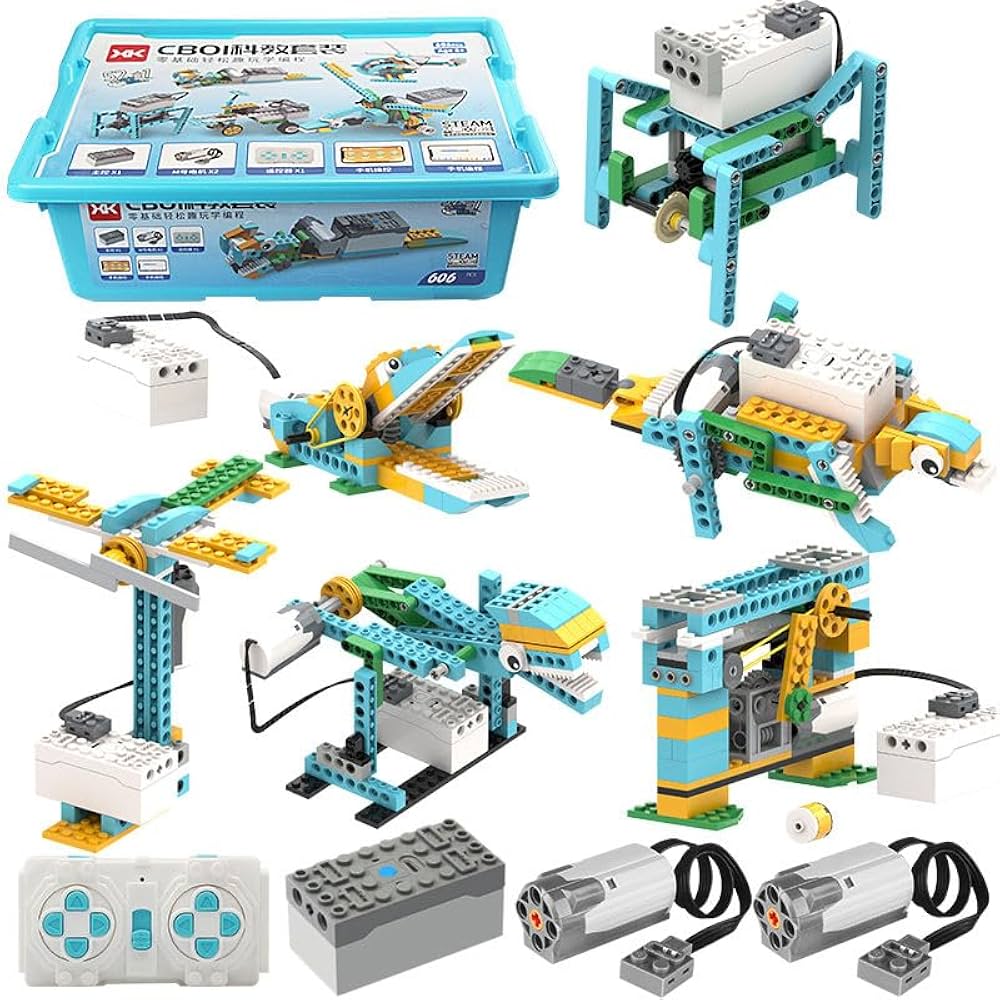
CB01 Science and Educational 52-in-1 Set – 606 Pieces
A construction-based learning set for exploring building, mechanical concepts, creativity and hands-on problem-solving. Suitable for ages 6+ according to the product listing.
Explore the 52-in-1 Set
-
Robot Arduino Kit
Combine engineering, electronics and programming to explore robot construction, movement and control.
- Wind Turbine Car
Explore the design of moving systems and how energy can be harnessed to produce motion.
- CB9686 App-Controlled Robotics Building Blocks
Combine construction and programmable interaction to introduce children to engineering and technology.
Explore the Robotics Kit
-
-
Mathematics: Applying Numbers to Real-World Challenges Mathematics becomes more meaningful when children can apply it to something they are building, testing or investigating.
-
STEM activities can help learners develop mathematical understanding through practical applications such as:
-
- Measurement and units.
-
- Geometry and shapes.
-
- Angles and spatial reasoning.
-
- Ratios and proportions.
-
- Calculations.
-
- Patterns and logical reasoning.
-
- Data collection and interpretation.
For example, when building a robot, learners can measure distances, compare movement, estimate dimensions and observe patterns. When experimenting with light, they can investigate angles. When working with circuits, they can explore simple numerical relationships.
- Data collection and interpretation.
Mathematics is not simply a subject within STEM. It is one of the tools that makes STEM projects possible.
How STEM Kits Support Competency-Based Learning in Kenya
Competency-based learning encourages learners to develop and demonstrate skills, knowledge and practical abilities rather than relying solely on memorisation.
Hands-on STEM activities can support learning experiences that develop:
-
- Critical thinking.
-
- Creativity and innovation.
-
- Communication and collaboration.
-
- Problem-solving.
-
- Digital literacy.
-
- Learning through exploration.
-
- Practical application of knowledge.
STEM kits can be used as supplementary learning tools in homes, classrooms, science demonstrations and school STEM clubs.
- Practical application of knowledge.
These products are learning resources that can support the development of competencies and STEM concepts.
Why Practical STEM Learning Matters
Children need opportunities to explore ideas beyond the classroom.
Practical STEM learning can help bridge the gap between theory and application, allowing learners to see how concepts connect to real-life experiences.
A child who experiments with electricity, builds a structure, programs a robot or investigates wind energy is not simply completing an activity. They are learning to think, question, test and discover.
These experiences can nurture curiosity and help children develop the confidence to approach new challenges.
Explore STEM Learning Kits in Kenya
At SparkMinds-KitsKenya, we provide practical learning tools that encourage children to explore Science, Technology, Engineering and Mathematics through hands-on experimentation.
Our range includes electricity kits, geometric optics kits, magnet kits, Arduino starter kits, robotics kits, wind energy kits and educational construction sets.
Whether you’re a parent looking to enrich your child’s learning experience, a teacher seeking practical classroom resources or a school building its STEM club, we invite you to explore the possibilities of hands-on STEM learning.
Give curiosity the tools to grow.
Explore our STEM kits
CB01 52-in-1 science and educational set
https://kitskenya.com/product/cb01-science-and-educational-52-in-1-set-606-pcs-age-6/
App-controlled programming robotics kit
https://kitskenya.com/product/cb9886-programmable-app-control/
Shop STEM learning kits